# How to Choose the Best Eye Hospital in Lahore for Eye Care 2027
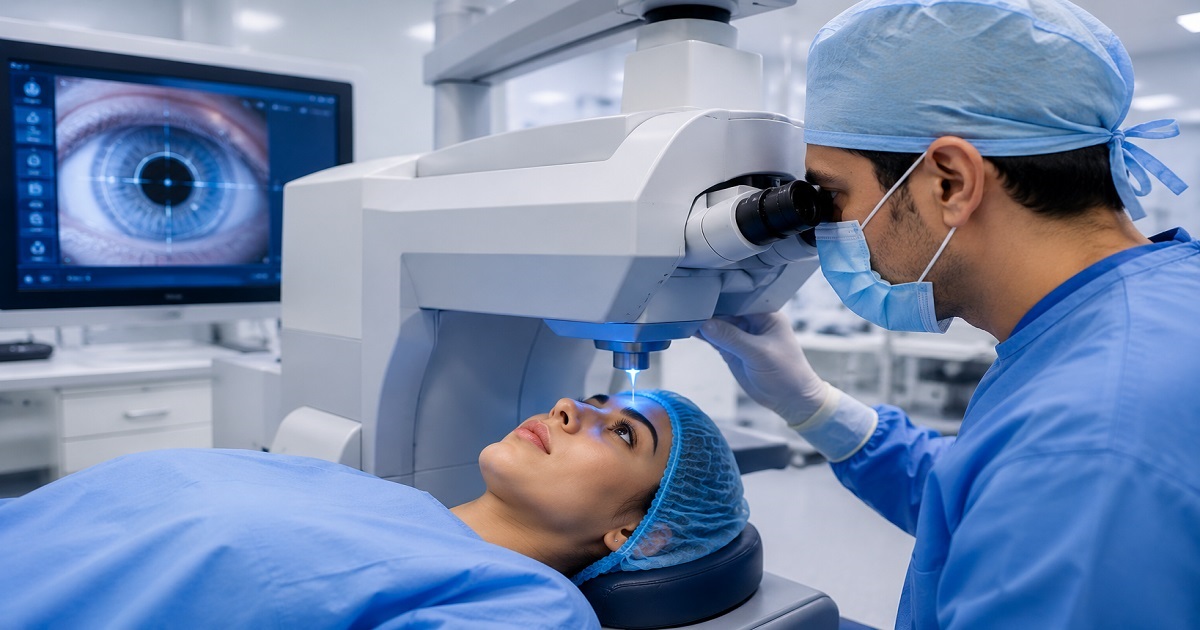
Choosing the right eye care facility is an important decision for maintaining clear vision and protecting long-term eye health. Finding the **Best Eye Hospital in Lahore** can give patients access to qualified eye specialists, modern diagnostic equipment, surgical services, and personalized treatment. Whether you need a routine eye examination, treatment for an eye condition, or guidance about vision correction, selecting a reliable hospital can make your healthcare experience more comfortable and effective.
The ***[Best Eye Hospital in Lahore](https://www.zafarlasereyeclinic.com/services/best-eye-hospital-in-lahore/)*** should provide comprehensive eye care rather than focusing on only one type of treatment. Patients should consider the qualifications of ophthalmologists, available diagnostic technology, cleanliness, consultation process, surgical facilities, and follow-up care before making a decision. In 2027, modern eye hospitals continue to combine professional expertise with advanced technology to support accurate diagnosis and personalized treatment.
## Understand Your Eye Care Needs
Before choosing an eye hospital, it is helpful to understand why you need professional eye care. Some people visit an eye hospital for routine vision testing, while others require treatment for cataracts, glaucoma, corneal conditions, retinal problems, or refractive errors. Children may need specialized pediatric eye care, while older adults may require regular monitoring for age-related vision changes.
Understanding your needs can help you select a hospital with suitable services. A facility offering comprehensive ophthalmology can be more convenient because different eye concerns can be evaluated under one healthcare system. Patients should look for a hospital capable of providing both routine examinations and advanced treatment when necessary.
## Check the Qualifications of Eye Specialists
The expertise of the medical team is one of the most important factors when selecting an eye hospital. Ophthalmologists undergo extensive medical training and specialize in diagnosing and treating conditions affecting the eyes. Their experience can be particularly important when a patient needs surgery or management of a complicated eye condition.
Patients should consider the specialist's qualifications, areas of expertise, professional experience, and approach to patient care. A good consultation should allow patients to discuss symptoms, understand the diagnosis, and ask questions about possible treatment options. Clear communication can help patients feel more confident about their healthcare decisions.
## Look for Comprehensive Eye Services
A quality eye hospital should offer a broad range of services for different stages of eye health. Comprehensive services may include eye examinations, vision testing, cataract evaluation, glaucoma screening, retinal assessment, corneal care, pediatric ophthalmology, and refractive surgery consultations.
Having multiple services available can reduce the need to visit different facilities for separate eye concerns. It can also support continuity of care because the patient's examination results and treatment history can be reviewed as part of an ongoing healthcare process.
## Consider Modern Diagnostic Technology
Accurate diagnosis is essential for effective eye treatment. Modern diagnostic technology allows specialists to examine different structures of the eye in greater detail. Depending on the patient's symptoms, an eye hospital may use digital vision testing, retinal imaging, corneal mapping, optical scans, pressure measurement, and other specialized examinations.
Technology does not replace medical expertise, but it can provide valuable information that helps specialists understand a patient's condition. When choosing an eye hospital in Lahore, patients should consider whether the facility uses appropriate modern diagnostic equipment and whether trained professionals are available to interpret the results.
## Evaluate Surgical Facilities
Patients who may need eye surgery should pay particular attention to the hospital's surgical facilities. Eye procedures require careful preparation, appropriate equipment, sterile conditions, and trained medical staff. A hospital should follow established safety procedures before, during, and after surgery.
People considering procedures such as cataract surgery or laser vision correction should receive a proper assessment before treatment. Not every patient is suitable for every procedure, so a responsible specialist should evaluate eye health and explain whether a particular treatment is appropriate.
## Focus on Patient Safety
Patient safety should remain a central consideration when choosing an eye care facility. A professional hospital should maintain appropriate hygiene, follow infection-control procedures, and provide proper pre-treatment and post-treatment instructions.
Patients can also ask how examinations are performed, how surgical procedures are monitored, and what follow-up arrangements are available. These questions can help patients understand the hospital's approach to safety without relying only on promotional claims.
## Assess the Consultation Experience
The first consultation can provide useful insight into the quality of an eye hospital. A thorough appointment should involve an assessment of the patient's symptoms, medical history, vision, and overall eye condition. The specialist should explain findings in language that the patient can understand.
A rushed consultation may leave patients uncertain about their diagnosis or treatment options. In contrast, a patient-focused approach gives individuals enough opportunity to discuss concerns and understand what happens next. Good communication is especially important when treatment involves surgery or long-term management.
## Review Follow-Up and Aftercare
Eye care does not always end when the examination or procedure is complete. Follow-up appointments can be important for monitoring healing, checking treatment results, and identifying potential concerns. This is particularly relevant after eye surgery.
Before selecting a hospital, patients should understand how follow-up visits are handled. A reliable eye care provider should give clear instructions about medication, activity restrictions, warning signs, and future appointments when appropriate. Consistent aftercare can contribute to a smoother recovery and better patient experience.
## Consider the Hospital Environment
The hospital environment can affect a patient's overall experience. Clean examination areas, organized reception services, professional staff, and comfortable waiting areas can make healthcare visits less stressful.
Patients should also consider how efficiently appointments are managed. Clear scheduling procedures and accessible communication channels can make it easier to attend consultations and follow treatment plans. A professional environment often reflects the importance placed on patient comfort and safety.
## Check the Range of Vision Correction Options
Many patients visit eye hospitals because they want to reduce their dependence on glasses or contact lenses. Modern vision correction may include different options depending on the patient's prescription, corneal health, age, and overall eye condition.
Laser vision correction procedures such as LASIK may be suitable for selected patients, but an eye specialist must first determine eligibility. Patients should avoid choosing a procedure simply because it is popular. A comprehensive eye examination is necessary to determine whether laser treatment or another option is more appropriate.
## Understand Cataract Care
Cataracts are a common cause of vision problems, particularly as people grow older. They can make everyday activities such as reading, driving, recognizing faces, or seeing in low light more difficult.
An experienced eye hospital should be able to assess cataract development and explain available treatment options. Cataract surgery is commonly used when the condition significantly affects daily life. Patients should receive an individual assessment and discuss the expected benefits, risks, recovery process, and follow-up requirements with their ophthalmologist.
## Consider Glaucoma and Retinal Screening
Some eye diseases can develop gradually without obvious symptoms during their early stages. Glaucoma, for example, can damage the optic nerve and may lead to permanent vision loss if not identified and managed appropriately.
Retinal conditions can also require detailed examination and ongoing monitoring. Choosing a hospital that provides comprehensive eye screening can help patients receive appropriate evaluation when risk factors or symptoms are present. Regular examinations can be particularly valuable for people with a family history of certain eye conditions or other relevant risk factors.
## Look for Pediatric Eye Care
Children have different eye care requirements from adults. Vision problems during childhood can affect learning, coordination, and development if they are not identified at an appropriate stage.
Parents choosing an eye hospital should consider whether trained professionals can assess children's vision and manage common pediatric concerns. A child-friendly environment and age-appropriate examination methods can make eye assessments easier for young patients.
## Compare Treatment Information and Costs
Cost is an important consideration for many families in Pakistan, but it should not be the only factor used to select an eye hospital. The cheapest option may not always provide the services, technology, expertise, or aftercare required for a particular condition.
Patients should ask for clear information about consultation charges, diagnostic tests, procedure costs, medicines, and follow-up appointments where applicable. Understanding the overall treatment process can help prevent unexpected expenses and allow families to make informed decisions.
## Consider Accessibility in Lahore
Lahore is a large city with healthcare facilities across many areas. Location and accessibility can matter when treatment requires multiple visits. A hospital that is reasonably convenient to reach may make it easier to attend follow-up appointments and maintain a consistent treatment schedule.
Whether you need a routine examination, treatment for an eye condition, cataract care, glaucoma monitoring, or a consultation for vision correction, selecting a professional and patient-focused hospital is an important step. A thorough evaluation and clear communication with an **[eye specialist](https://note.witchayut.com/)** can help you understand your options and choose care that matches your individual needs.
## FAQs
### What should I look for in an eye hospital in Lahore?
Look for qualified eye specialists, modern diagnostic equipment, comprehensive services, safe surgical facilities, and dependable follow-up care.
### How often should I have an eye examination?
The frequency depends on your age, eye health, symptoms, and risk factors. Your eye specialist can recommend an appropriate examination schedule.
### Is laser eye surgery suitable for everyone?
No. Eligibility depends on factors such as eye health, prescription stability, corneal condition, age, and other individual considerations.
### What eye conditions can an eye hospital treat?
Eye hospitals may provide care for cataracts, glaucoma, refractive errors, retinal conditions, corneal problems, pediatric vision concerns, and other eye disorders.
### Why is regular eye screening important?
Regular screening can help identify certain eye conditions early, including problems that may not produce noticeable symptoms during their initial stages.